Creating a relaxing home workspace can make a significant difference in your productivity and overall well-being. When your work environment feels calm and inviting, it’s easier to stay focused and motivated throughout the day. Whether you work from home full-time or occasionally, designing a space that supports relaxation and efficiency is essential. Here are some useful tips to help you create the perfect home workspace.
Choose the Right Location
Finding the right spot for your workspace is the first step. Ideally, pick an area with minimal distractions and good natural light. A quiet corner or a spare room can work well. If space is limited, consider a designated section of your living room or bedroom—but try to keep this area separate from your relaxation spaces to maintain a clear boundary between work and rest.
Invest in Comfortable, Ergonomic Furniture
Comfort plays a huge role in how productive and relaxed you feel while working. Choose an ergonomic chair that supports your back and encourages good posture. A desk at the right height will prevent strain on your wrists and shoulders. Adjustable furniture is a great option because it can be customized to fit your body perfectly.
Optimize Lighting
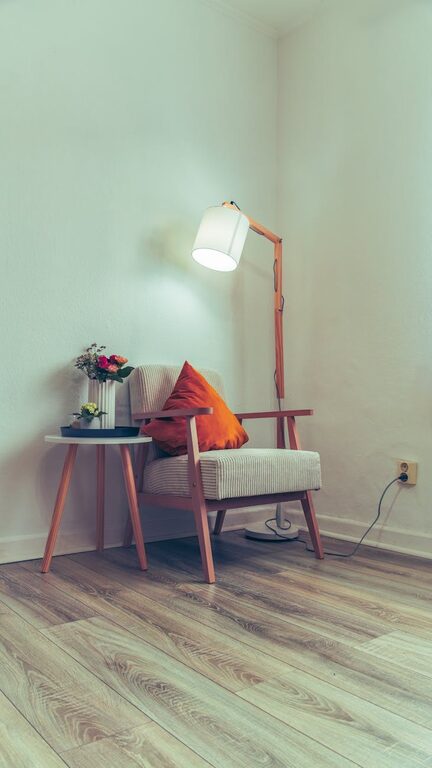
Good lighting reduces eye strain and boosts alertness. Natural light is best, so position your desk near a window if possible. When daylight isn’t enough, use soft white LED bulbs with adjustable brightness. Avoid harsh fluorescent lights or overly bright setups that cause glare on your screen.
Keep Your Space Organized
A cluttered workspace can cause stress and make it difficult to focus. Use storage solutions like shelves, drawers, and bins to keep supplies neatly tucked away. Clear your desk of unnecessary items at the start and end of each day to maintain a tidy environment.
Helpful organizing tips:
– Use cable organizers to keep cords neat.
– Label storage boxes for easy access.
– Keep only daily essentials on your desk.
Personalize Your Workspace
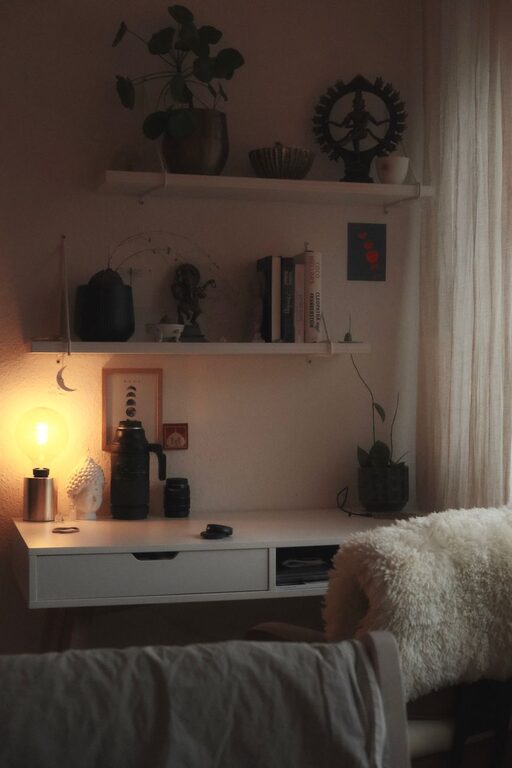
Adding a few personal touches can make your workspace feel more welcoming and boost your mood. Consider decorating with plants, artwork, or meaningful objects. Plants not only improve air quality but also help create a soothing atmosphere.
Control Noise Levels
Noise distractions can harm your focus. If you live in a noisy household or neighborhood, try using noise-canceling headphones or playing soft instrumental music in the background. White noise machines or apps can also help mask disruptive sounds.
Set a Pleasant Temperature
An uncomfortable room temperature can quickly become a distraction. Aim for a balance where the room feels neither too hot nor too cold. Using a fan, space heater, or adjusting your thermostat can make a big difference.
Take Regular Breaks
Incorporating breaks into your work routine helps maintain energy and creativity. Try techniques like the Pomodoro method, where you work for 25 minutes then take a 5-minute break. Use your breaks to stretch, walk, or simply relax your eyes.
Maintain Good Air Quality
Fresh air helps keep your mind clear and alert. Whenever possible, open windows to let in fresh air. Adding air-purifying plants can also improve indoor air quality.
Minimize Digital Clutter
Just as physical clutter distracts you, digital clutter can do the same. Keep your computer and phone organized by deleting unnecessary files, using folders, and managing notifications to reduce interruptions.
Use Calming Colors
Color can have a subtle but powerful effect on your mood. Soft, neutral tones or muted pastels tend to create a relaxing atmosphere. Avoid overly bright or intense colors that may increase stress or agitation.
Keep Hydrated and Snack Smart
Keep a water bottle nearby to stay hydrated throughout the day. Healthy snacks like nuts, fruit, or yogurt can help maintain steady energy levels without the crash that sugary foods cause.
Final Thoughts
Creating a relaxing home workspace is about balancing comfort, organization, and personal style. By making mindful choices about your environment, you’ll find it easier to stay focused and productive. Start small, and adjust your space as you discover what helps you feel calm and motivated during your workday. Your home office can become not just a place to work, but a space to enjoy being productive.
About the Author